Here is one of the pictures featuring the Google Search Bar. Numerous images associated with the Google Search Bar can be utilized as your point of reference. Below, you'll find some additional pictures related to the Google Search Bar.
Google Says Search Got Much Better at Identifying Spam Sites Last Year
Google Says Search Got Much Better at Identifying Spam Sites Last Year
Google Search caught six times more spam sites in 2021 than it did in 2020, according to a Webspam report published by Google on Thursday. The Alphabet subsidiary lauded its AI-based spam-prevention system called SpamBrain, which it said has helped keep "more than 99% of searches spam-free."
SpamBrain has helped prevent users from clicking to harmful sites that might inject malware and to scam sites that aim to trick people into revealing personal information or wiring money, the search giant said. AI-based systems are necessary given that spammers are constantly finding ways to circumvent the company's filters, Google said.
Search is Google's most significant revenue driver, making it important for the company that high quality and safe sites rise to the top of its results. Spam sites use search engine optimization, or SEO, techniques to artificially improve their search rankings. Google filters out spam sites designed to trick its algorithm.
SpamBrain led to a 70% reduction in hacked spam, Google said. Hacked spam involves hackers infecting websites with harmful code that can record people's keystrokes and steal their login credentials. Other types of hacked spam can inject malware onto people's computers and redirect them to malicious sites. SpamBrain helps keep these websites out of Google Search, Google said.
"Scammers often attempt to create low quality websites with keyword stuffing, logos of brands they're imitating, and a phone number they want you to call," Ned Adriance, policy communications manager at Google, said in an email. "Our algorithmic solutions work to make sure that scam and fraud are very unlikely to show up in your search results."
Google said it also reduced gibberish spam by 75%. Gibberish spam involves malware or scam sites that use keyword-stuffed nonsensical sentences in an attempt to boost their ranking. Spam sites can also use link spam to game Google's quality signal, known as PageRank. This is done by having other sites link to them, sometimes by offering money, to boost ranking.
"We have many solutions to identify and nullify link spam, and sites engaging in link spam are wasting valuable time and money that could be better invested in better content or user experience," said Adriance.
SpamBrain launched in 2018. Google says search was able to catch 200 times more spam sites last year compared with when it first started weeding out malicious sites nearly two decades ago. Still, it's an ongoing battle between those aiming to abuse or narrowly skirt the company's quality guidelines and Google trying to elevate valuable content.
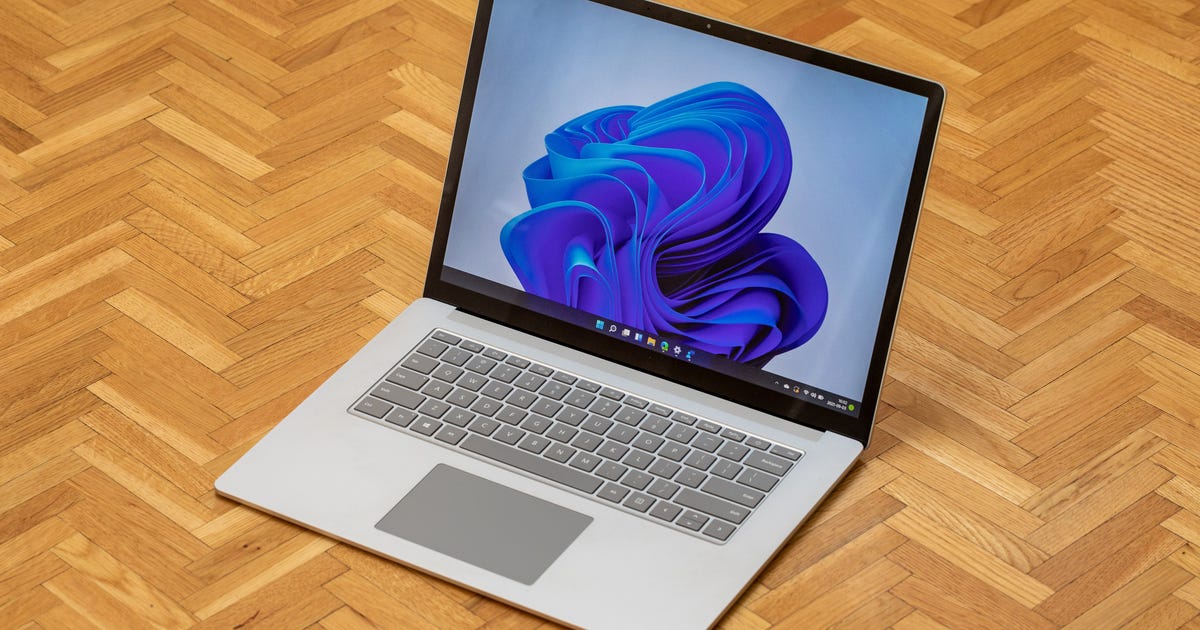
Windows 11 how to set wallpaper windows 11 how to set up printer windows 11 how to change username windows 11 how to update windows 11 how to upgrade windows 11 how to shut down windows 11 how to change username windows 11 how to update windows 11 how to add apps to desktop windows 11 media creation tool
Windows 11: How to set Google as your default search engine instead of Bing
Windows 11: How to set Google as your default search engine instead of Bing
More than 93% of US web searches are done with Google, but Windows 11 is set to Microsoft's Bing search engine by default. If you prefer the results you get from Google's search engine, it's easy enough to make Google search the default. We'll show you how.
Windows 11 doesn't let you set a default search engine systemwide across all browsers, however. It's easy enough to set for each one, though, including Chrome, Firefox and Edge. And if you prefer to search using Yahoo or DuckDuckGo -- even Amazon or eBay if your searches are for items you're shopping for -- you can set one of those, too.
Here's how to change your default search engine in Windows 11. For more on Microsoft's new OS, here's what has changed since Windows 10, what we wished had been included and how you'll get the new OS.
Microsoft Edge: How to change the default search engine
Edge is the default browser in Windows 11. Here's how to change the default search engine Microsoft's browser uses.
1. In Edge, from the "Settings and more" menu up in the top-right corner, choose Settings.
2. On the left, choose Privacy, search and services.
3. Scroll down, and near the bottom in the Services section, choose Address bar and search.
4. In the drop-down menu to the right of the "Search engine used in address bar," choose the search engine you want to use.
5. If you don't find the search engine you're looking for in the list, choose Manage search engines and then tap the Add button in the upper-right corner to add the one you want.
Google Chrome: How to change the default search engine
You don't need to use Edge in Windows 11 of course (if you want to change to another browser, we cover that below). Here's how to change the default search engine in Google web browser.
1. In Chrome, from the "Customize and control" menu in the top-right corner, choose Settings.
2. Over on the left, choose Search engine.
3. In the Search engine section, use the drop-down menu to the right of "Search engine used in the address bar" to set your default search engine.
4. You can manage the search engines Chrome uses in the section right below, in Manage search engines.
You can set your default search engine in Chrome and Firefox too, not just Edge.
Josh Goldman/CNET
Firefox: How to change the default search engine
If you're in the Firefox browser camp, here's how to change the default search engine in Windows 11.
1. In Firefox, from the Open Application menu in the top-right corner, choose Settings.
2. Over in the left-hand column, choose Search.
3. In the Default Search Engine section, from the drop-down menu, select your default search engine.
4. If you don't see the search engine you want to use, scroll down to the bottom of the page, tap Find more search engines and search for the service you want to use.
How to set a web browser other than Edge as your default browser
Maybe it's not just another search engine you want to swap but another web browser too. By default, Edge is Windows 11's browser of choice. In Windows 11, the easiest way to set another browser as your default is when you install it and are prompted to make it your default browser. But if you skipped over doing it then, no worry, here's how.
Note, that this will require a few steps.
1. Open Settings, and over on the left tap Apps.
2. Now tap Default apps, and scroll down to the browser you want to set as your default, Google Chrome, say.
3. In each setting listed -- .html, for example, or .pdf -- tap the default file type or link type and select the browser you want to use with that type. You may see several dozen file types, but probably can get away with setting the first 10 with your browser of choice. You can also go back and adjust other settings.
For more, here are our favorite Windows 11 features, what we know about running Android apps on Windows 11 and how to see if your PC can run Windows 11.
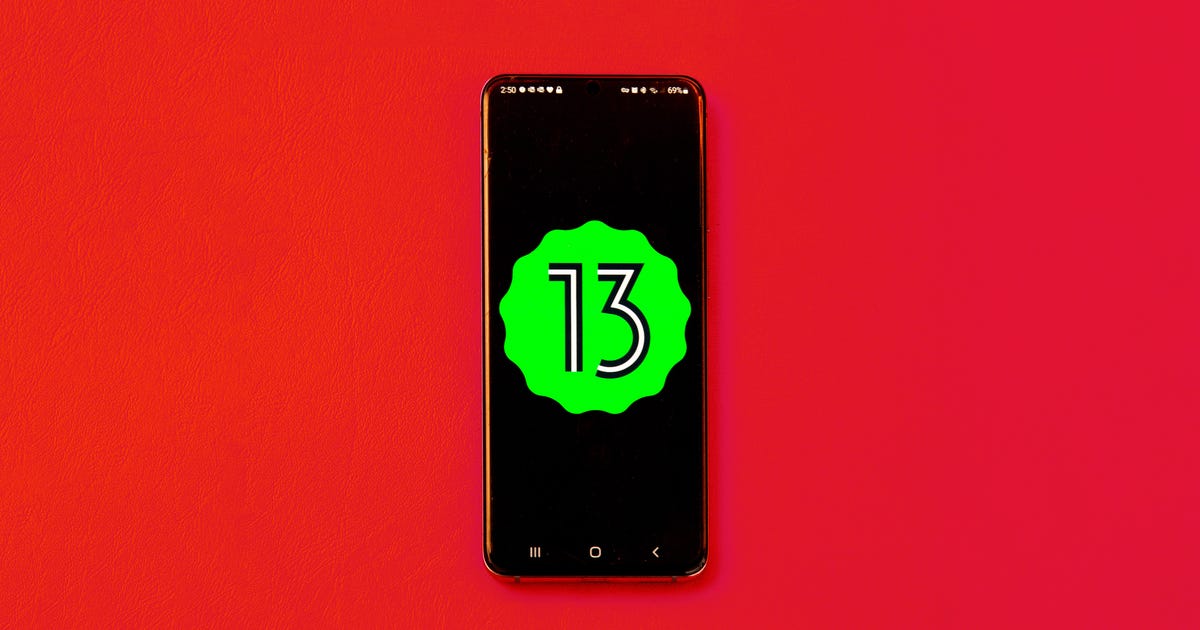
Google android 13 beta android 13 beta 2 release date android 13 beta 3 android 13 beta 2 android 13 beta 1 google android 12 beta android 13 beta 3 google android 13 beta google android 13 beta program android 13 beta 1 download google android device manager
Google: Android 13 Beta 2.1 Update Is Available Now
Google: Android 13 Beta 2.1 Update Is Available Now
Google released Android 13 Beta 2.1 on Thursday. The update comes less than a month since the release of Android 13 Beta 2, and brings a handful of bug fixes and some stability improvements.
Some of the bug fixes address things like an issue where typing in the search bar resulted in a blank list of suggestions and an issue where a device would crash and restart when turning on hotspot. Other fixes include an issue where devices would crash and restart after disconnecting from Android Auto and one where the call dialing sound could be heard in the background during a phone call.
The update is available for Pixel phones back to the Pixel 4.
Read more:How to Download Android 13 Beta 2 on Your Phone Right Now
Android 13 was announced in February, and the operating system has been in beta since then. Google is expected to release Android 13 to the public this fall.
Android 13 is expected to bring more Material You personalizations, increased tools for privacy and security, more RCS messaging support, a revamped Google Wallet and better integration with Chromebooks, watches, TVs, cars and smart home devices.
PDFs are a monster to edit, but these 4 free apps make it easy peasy
PDFs are a monster to edit, but these 4 free apps make it easy peasy
Sending PDF files is pretty straightforward, but editing one can be a hassle, especially on your phone's relatively small screen. Maybe you just need to sign a document or fill out a form. Luckily we found easy and fast ways to edit a PDF file on an iPhone ($899 at Amazon) and Android phone, as well as on a Mac and PC. I'll walk you through basics like adding text, signing documents, adding annotations and filling out forms. And the best part is that all of the apps and software I recommend here are free.
I should note that none of these free apps allow you to make changes to existing text. If you're looking for paid apps that allow you to interact and adjust existing text, we are working on a roundup of our favorites. Also, if you'd like to follow along or see an overview of using all the apps in this story, check out out the video at the top of the story.
Basic PDF edits on a Mac
Every Mac comes with a program called Preview from Apple. You can use it to view and edit photos and PDF files.
To start, simply double-click on your PDF file and it should automatically open in Preview. If for some reason this doesn't happen, open your Applications folder and then open Preview. It's the icon with a postcard of the ocean and a small magnifying glass on the corner. From there, you'll be greeted with a window asking you to select the file you want and when you're ready, click the blue Open button and you're back in the game.
To access the toolbar, click the Markup tool on the top right side next to the search field. The icon is a pencil tip inside a circle. Click the Text tool -- it's the icon of a letter T inside a square -- and a text box will appear in the middle of your document. You can move the box anywhere on the page.
To change the appearance of the text, tap the Text Style tool -- it's the icon with the italicized A. If you need to resize the text box, click on either of the blue dots. This will allow you to make the text field wider or more narrow by dragging them left or right.
There are also tools for drawing and sketching. The Draw tool lets you draw pretty much whatever you want with your cursor while the Sketch tool turns the objects you draw into shapes with a customizable fill and border. If you are just drawing a line or squiggle, you can change the color and thickness with the Shape Style tool -- the stacked parallel lines -- or Border tool -- the small square inside of a large square. If you're not feeling particularly artistic, you can also add premade shapes.
Preview gives you a couple of ways to add and save a copy of your signature.
Apple
Perhaps my favorite tool is the ability to add a signature. Click on the arrow next to the Sign tool -- the cursive letter J -- and click the button Create Signature. You have to option to use your trackpad to sign your signature with your finger or scan it in with your Mac's built-in camera.
To use the trackpad, click the Trackpad tab then hit the Click Here To Begin button then once you're done signing press any key. If you like your signature, hit Done. The other way to create a signature is to sign your name on a white piece of paper and scan it. Instead of the Trackpad tab, choose the Camera tab. Place the piece of paper in front of the camera and line up your signature on the black line. After a moment, your signature will appear on screen in the camera preview. If you like it, hit Done.
To add one of your stored signatures, you just click on the one you want from the Sign menu. Then drag, resize and reposition it wherever your signature needs to go.
Finally to save any edits, simply hit Save. You can also export your changes an create a new PDF file.
Mark Up mode on the iPhone
Just like the Mac, you don't need a special app for basic edits on an iPhone. Instead of Preview, there's Mark Up mode. Whether you want to edit a PDF inside an email message or a file that's been saved in the Books app, tap on the Mark Up mode icon -- circle with a pencil tip in it -- to start. It's actually the same tools that pop up on your screen after you take a screenshot.
Across the bottom of the screen, there are different tools: a highlighter, pen, pencil and eraser. You can also tap on the plus sign on the right to add text boxes, shapes, a magnifier and even signatures.
Mark Up mode is built right into iOS and allows for fast and easy edits of photos and PDF files.
Apple
If you have a signature saved in Preview on your Mac, your iCloud account will automatically sync it to Mark Up mode on your iPhone. To add a new one directly to your phone, tap Add or Remove Signature, then tap the plus sign on the top left of your screen. Use your finger to sign on the line and hit Done to save.
As you add edits to your PDF file, you can use the left and right undo arrows at the top to move forward or backward sequentially through your additions. But there's also an eraser tool that can be used to remove any unwanted drawings, sketches or highlights you made no matter the order you made them.
When you're done with edits, you can reply via an email message with your updated PDF or if you're inside Books, you can AirDrop it, email it or print it via the iOS share menu.
Adobe Fill & Sign on Android
Sadly there isn't a system-wide PDF editing tool built into the Android operating system, but luckily there is what seems to be an endless list of apps for editing PDF files in the Google Play Store. For basics, especially forms, I like Adobe Fill and Sign which is free on the Play Store.
To start, open Adobe Fill and Sign and choose your PDF file. The first time you open the app, you'll have the option to set the app to open by default anytime you open a PDF file. Once your file is open, tap anywhere on the screen add a text box. Once you've entered text, you can move the box around by tapping and dragging it. You can resize it using large and small letter As along the top bar of the text box.
Adobe Fill & Sign is a free app for Android phones that lets you edit PDF files and especially deft at handling forms.
Adobe
Adding signatures and initials are easy. Adobe Fill & Sign limits you to one signature and one set of initials. The first time you tap on the tool a signature line will appear across the screen. Use your finger to sign your signature or initials. If you ever want to change your saved signatures or initials, just tap the X to the right side of the tool.
Your signature or initials will appear on your document in a resizable box that can also be dragged and repositioned. There is a small blue circle with white left and right arrows on the right side of the box. Tap and slide the circle either left or right to make it larger or smaller.
Adobe Fill & Sign also has a profile that you can store information like your address and email to populate forms. When you need to add any of this information to a PDF form, just tap on the field you want to populate and tap on the information saved in the same field in your profile.
Throughout your editing, Adobe Fill & Sign saves as you go. When you're done, you can email your PDF file, save it to Google Drive or other apps via Android's share menu.
Adobe Acrobat Reader DC on PC
If you are on a PC, I recommend downloading Adobe Acrobat Reader DC. It's a free scaled-down version of Adobe Acrobat Pro DC. Reader DC has plenty of powerful tools for basic edits and if you're in an environment with a mix of PCs and Macs, there is also a Mac version.
Open Reader and choose the file you want to edit. There is a Tools tab that lets you select different toolsets depending on the edits you want to make. For example, one of the toolsets is Adobe Fill & Sign.
From the tool bar, you can add text boxes, signatures, initials, shapes and checkboxes. It works very similar to the way Preview does.
One of my favorite tools in Acrobat Reader is the rubber stamp tool. Click on the Tools tab, and open the Stamp toolset. The toolbar will now have a Stamp tool and a Stamp tool palette which includes a number of different types of stamps you can choose from, like "Approved," "Sign Here," and "Confidential," among others.
When you're done with your PDF edits, you can save them or export them into a new PDF file or a different file format like a Word Doc.
Now that you have several ways to edit a PDF file, take a look at our video on how to make your own GIF below.
Originally published Aug. 12.
Update Aug. 18: Clarifies cost of Adobe Acrobat Reader DC